Wondering why one North End condo gets strong interest in the first week while another sits and needs a price cut? In this neighborhood, pricing is rarely as simple as pulling a citywide Boston average and adding your favorite number. If you want to sell with confidence, you need to understand what today’s market is actually rewarding, what buyers are comparing, and how your exact block, building, and layout shape value. Let’s dive in.
Why North End pricing is different
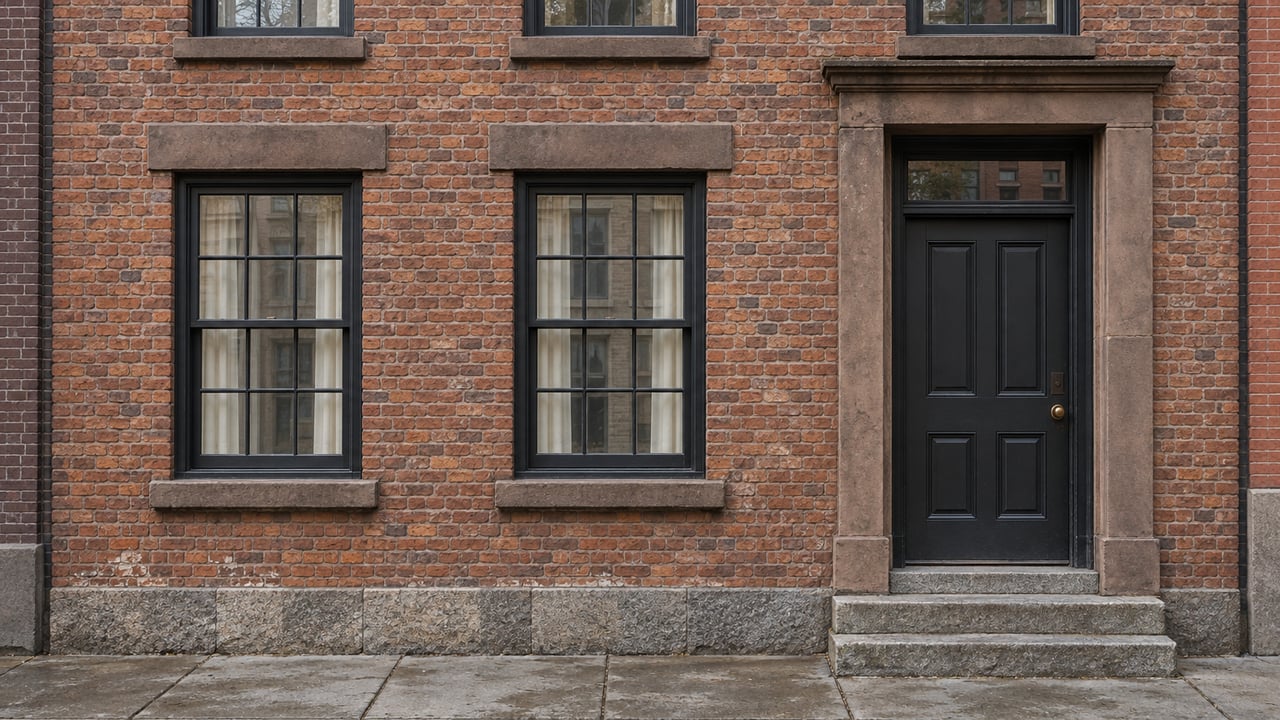
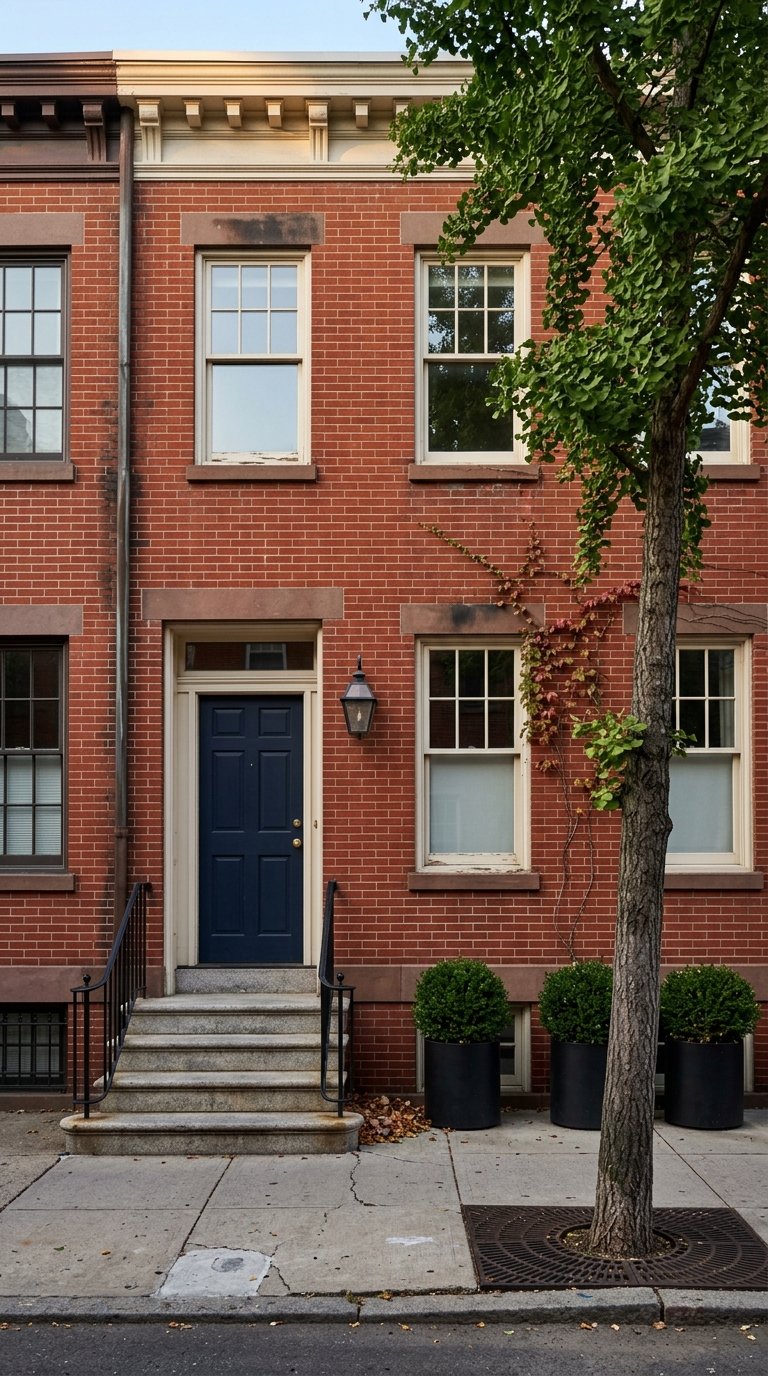
The North End is a compact, historic neighborhood with a housing stock that behaves differently from many other parts of Boston. According to Boston Planning, the area has 10,635 residents, a high share of adults with bachelor’s degrees or higher, and a housing mix dominated by smaller attached homes and condos.
That matters when you price your home. Nearly half of the housing units are 0 to 1 bedrooms, 37.2% are two-bedroom units, and only 12.9% are 3+ bedroom units. In a neighborhood with so many smaller attached homes, buyers often compare very specific unit types rather than broad “Boston home” trends.
The North End also changes block by block. Harbor-adjacent streets, interior historic blocks, and homes near active commercial corridors can all attract different buyer reactions, even within a short walk.
What today’s market is saying
Several market snapshots from spring 2026 point to the same big takeaway: the North End remains a premium market, but sellers need pricing precision.
Zillow’s North End page, updated May 31, 2026, showed a typical home value of $924,295, 86 homes for sale, 27 new listings, and a median list price of $1,146,667. Realtor.com’s April 2026 summary showed 80 homes for sale, a median listing price of $1,195,000, and a median 41 days on market.
Redfin’s rolling three-month view ending in May 2026 showed a median sale price of $1,151,113, median days on market of 54, and a sale-to-list ratio of 96.5%. In that same view, 31.1% of homes had price drops and only 7.9% sold above list price.
That last point is especially important for sellers. It tells you this is not a market where you can count on an ambitious list price getting rescued by a bidding war.
Why Boston averages can mislead you
Boston citywide numbers can be useful for context, but they are not enough to price a North End home well. On the same Redfin time frame, Boston overall had a median sale price of $851,990, median days on market of 26, and a sale-to-list ratio of 99.4%.
That means the city overall was moving faster and closer to list price than the North End. If you price your condo based on Boston averages instead of North End-specific conditions, you could easily overshoot the market.
This is one reason sellers often see different numbers across websites and feel confused. Each source may be measuring a different time period, property mix, or data set, so headline stats are not interchangeable.
What actually drives your North End price
The most accurate pricing starts with your specific home, not just the neighborhood name. In the North End, these factors tend to matter most:
- Building type
- Bedroom count
- Square footage
- Layout efficiency
- Condition and finish level
- Exact location within the neighborhood
- Current market tempo
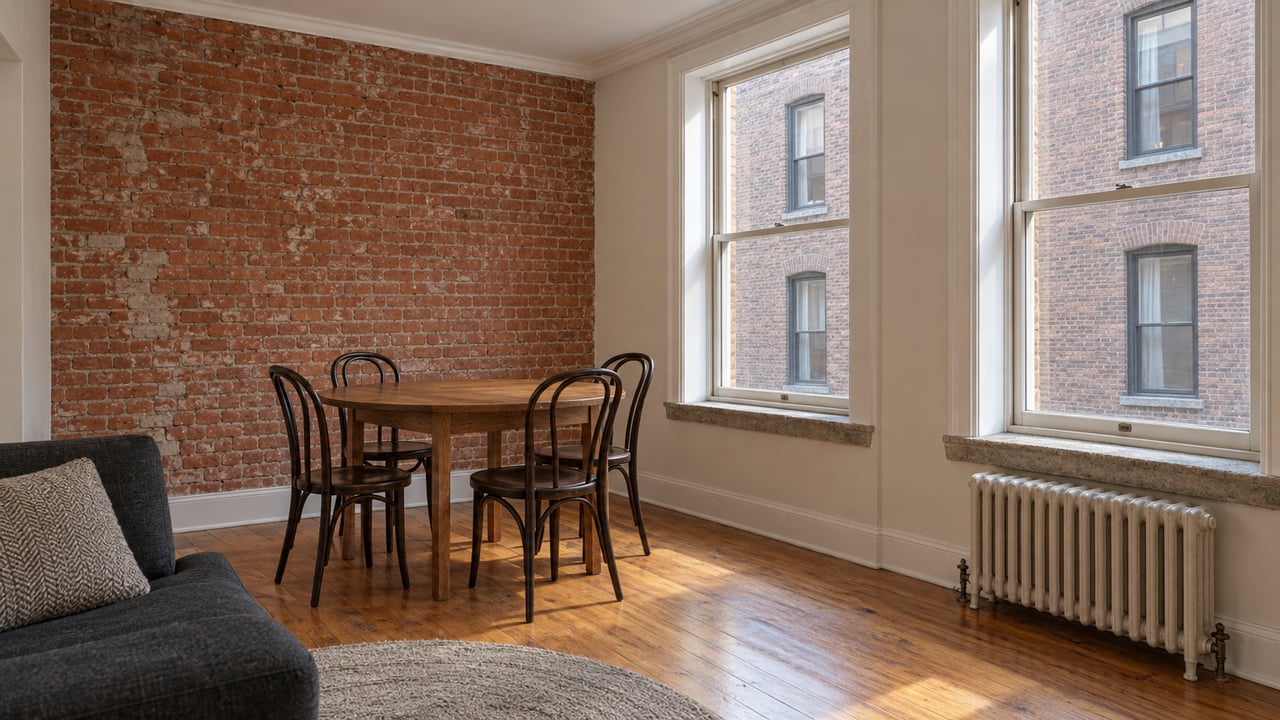
A one-bedroom in a small brick building on a quiet interior street may compete very differently from a similarly sized home near a busier corridor. A two-bedroom with a smart floor plan can also outperform a larger unit with awkward layout or dated finishes.
Square footage matters, but it is not the full story. In the North End, buyers often look closely at how the space lives day to day, not just the number on the listing sheet.
Recent sales show the range
Recent closed sales in the neighborhood show just how wide the pricing range can be.
Redfin’s recent sold data included a 337-square-foot unit at 33 Charter Street that sold for $378,100 after 41 days. A 640-square-foot unit at 121 Salem Street sold for $575,000 after 57 days and sold above list.
At the higher end of that sample, a 1,032-square-foot unit at 28 Atlantic Avenue sold for $1,025,000 after 87 days. A 1,363-square-foot unit at 343 Commercial Street sold for $1.8 million after 38 days.
These sales make one thing clear: two homes in the same neighborhood can land at very different price points based on size, building, location, and condition. That is why a property-specific comparative market analysis matters so much in the North End.
The risk of pricing too high
Overpricing can cost you time and leverage. In Redfin’s North End view, nearly one-third of listings had price drops, and the average home sold for about 3% below list.
When a home starts too high, buyers may skip it in the first place or wait to see if the price comes down. Once a listing sits, it can lose momentum and invite lower offers.
That is especially important in a neighborhood where buyers have options and can compare one condo to another very quickly. The goal is not to “test the market” with an unrealistic number. The goal is to price where serious buyers will engage while your listing still feels fresh.
The risk of pricing too low
Underpricing has its own trade-offs. It can help create urgency, but it does not guarantee multiple offers or an above-list result.
In the same Redfin snapshot, only 7.9% of homes sold above list price. That suggests a low list price is not a reliable shortcut to a bidding war in today’s North End market.
If your home is especially compelling, aggressive pricing might help accelerate activity. But in most cases, the better strategy is to aim for market value based on the best current comps, then watch how buyers respond early on.
Why the first two weeks matter
The first two weeks on market often tell you whether your pricing is aligned with buyer expectations. If showings are steady, buyers are asking thoughtful questions, and interest feels serious, your price may be in the right range.
If activity is quiet, buyers mention pricing concerns, or you are seeing strong competition nearby without similar response to your listing, that can be an early signal that the market is pushing back. Acting early is usually better than waiting for a listing to go stale.
In a market where median days on market can range from about 41 to 54 days in public snapshots, and the condo-only MLS report showed an average of 77 days through April 16, 2026, timing and pricing work together. The wrong price can stretch your timeline fast.
How smart comps are chosen
In a neighborhood where no two buildings are exactly alike, choosing comps takes care and local judgment. The best matches are usually the nearest recent sales with similar:
- Building style
- Bedroom count
- Square footage
- Floor plan
- Condition
- Finish level
- Street or micro-location
That means a broad neighborhood median is only the starting point. For many North End sellers, the most useful comparison may be a nearby unit in a similar building rather than a general market average.
This is where hyperlocal knowledge really matters. A strong pricing strategy accounts for details that do not always show up clearly in automated estimates.
What condo sellers should keep in mind
If you are selling a condo, condo-specific data adds another layer. North End condo reporting through April 16, 2026 showed an average condo sale price of $837,062, an average list price of $874,375, average days on market of 77, and sale price at 96.12% of list price. The same report showed 3.53 months of inventory.
That does not mean every condo should be priced defensively. It means your unit should be positioned with a realistic understanding of current condo competition, buyer expectations, and how your home stacks up against active and pending listings.
In a market with many smaller attached homes, pricing a one-bedroom, two-bedroom, and townhome-style property the same way does not work. Each segment can behave differently in the same month.
A practical pricing mindset for today
If you are preparing to sell in the North End, a strong pricing mindset looks like this:
- Start with recent, closely matched local comps
- Compare against current active competition
- Be realistic about condition and layout
- Avoid leaning too heavily on citywide averages
- Pay close attention to buyer response in the first two weeks
- Adjust quickly if the market is not validating the price
The best list price is not simply the highest number you can justify on paper. It is the number most likely to attract serious buyers, protect your leverage, and help you reach a strong final result.
Selling in the North End means working in one of Boston’s most distinct micro-markets. If you want clear guidance built around your exact home, building, and block, connect with Stacy Schuster for a pricing strategy grounded in real North End experience.
FAQs
How should you price a North End condo in today’s market?
- You should base pricing on recent comparable sales, active competition, your unit’s condition, layout, and exact micro-location rather than relying on broad Boston averages.
How long does it take to sell a North End home?
- Public spring 2026 snapshots ranged from about 41 days on market to 54 days, while a condo-only MLS snapshot showed an average of 77 days, so timing depends heavily on the property type and pricing strategy.
Why do North End home values look different on different websites?
- Different websites often use different time windows, property mixes, and measurement methods, which is why their median values, listing prices, and sold-price numbers do not match exactly.
Is overpricing a North End home a big risk?
- Yes. Recent market data showed 31.1% of homes had price drops, which suggests sellers can lose momentum if they start too high.
Does pricing below market guarantee multiple offers in the North End?
- No. Recent Redfin data showed only 7.9% of homes sold above list price, so underpricing does not automatically create a bidding war.
What kinds of comps matter most for a North End home sale?
- The most useful comps are recent nearby sales that closely match your home’s building type, bedroom count, square footage, condition, layout, and street-level location.