You can live in the middle of Boston and still make the harbor part of your daily routine. That is what draws many buyers and renters to the Waterfront: easy walks by the water, quick transit connections, and a neighborhood setting that feels tied to the city and the harbor at the same time. If you are wondering what everyday life here really looks like, this guide will help you picture the rhythm, trade-offs, and practical details that matter most. Let’s dive in.
What Boston’s Waterfront Feels Like
Boston’s Waterfront is best understood as a harbor-edge district rather than one small, fully self-contained neighborhood. The City of Boston describes the Wharf District as a community shaped by the old Financial-Town Cove area and Waterfront-Wharfs, with shared architecture, residential uses, businesses, and major destinations like the New England Aquarium and several wharves.
In daily life, that means you are surrounded by a mix of condo buildings, office space, open water views, ferries, public spaces, and visitors. It feels different from a quieter residential pocket because the area blends homes with commerce, recreation, and city activity.
For many people, that blend is the appeal. You get a front-row seat to the harbor while staying close to Downtown, the North End, and the rest of central Boston.
Harborwalk Shapes Daily Life
The Harborwalk is the backbone of waterfront living. Official sources describe it as a public waterfront walkway stretching roughly 40 to 43 miles, with parks, seating, art, cafes, exhibit areas, interpretive signage, and water transportation access.
That matters because your everyday errands or evening walks do not have to feel routine. You can step outside and move along the water instead of sticking to the same inland blocks, which gives the neighborhood a more open and scenic feel.
Boston Harbor Now notes that the Harborwalk connects people to more than 40 parks, a dozen museums, seven beaches, and hundreds of restaurants and stores. Even if you only use a small part of it most days, that larger network adds flexibility and variety to the way you experience the city.
Greenway Access Adds Open Space
The Rose Kennedy Greenway is another big lifestyle benefit for Waterfront residents. The Greenway Conservancy describes it as a 1.5-mile park with public art, fountains, events, food trucks, ADA-compliant paths, and access from several nearby stations.
For you, that creates a second layer of outdoor space beyond the harbor itself. It also helps connect the Waterfront to nearby parts of Boston in a way that feels easy on foot.
Parks Support a Real Outdoor Routine
Christopher Columbus Waterfront Park is one of the area's best-known green spaces. The National Park Service says it links Boston’s greenspace to the harbor and sits next to Long Wharf near Faneuil Hall.
Nearby waterfront parks in and around the North End add even more usable outdoor space. City information on Langone Park and Puopolo Playground highlights harbor views, water-edge access, a universal-access playground, courts, sports fields, plaza space, and climate-resilient improvements. In summer, the Mirabella Pool adds another seasonal option that gives this part of Boston a stronger warm-weather routine than many inland neighborhoods.
Getting Around Without a Car
One of the Waterfront’s strongest everyday advantages is how easy it is to move around on foot and by transit. The area connects well to nearby MBTA stations, ferry docks, and walkable routes along Atlantic Avenue and the Harborwalk.
If you prefer a car-light lifestyle, this location makes that more realistic than many neighborhoods. The Greenway does not offer public parking on-site, and much of the area works best when you are comfortable walking, using transit, or combining both.
Ferries Are Part of the Lifestyle
MBTA guidance says there are three ferry docks in Boston Harbor accessible from Atlantic Avenue and the Harborwalk. Ticket booths are available at Long Wharf, Rowes Wharf, Charlestown Navy Yard, and Hingham Shipyard, and the route map includes stops like Aquarium, Long Wharf, North, Seaport, and Logan Airport.
That does not mean every resident uses ferries every day. But it does mean water transportation is a real part of the neighborhood’s identity and can be a practical tool for some commutes and weekend plans.
The MBTA also notes that the main ferry terminals along Atlantic Avenue are within walking distance of one another and Aquarium Station. Schedules vary by season, so if ferry commuting is important to you, it is smart to check how that fits your routine before you sign a lease or make an offer.
Walking to Nearby Districts Is Easy
One reason the Waterfront works so well is that daily life often spills into surrounding neighborhoods. The North End offers restaurants and cafes, while Downtown adds theaters, dining, and easy access to the waterfront.
That means you are not relying on one small cluster of businesses for everything. Instead, you are living in a connected part of Boston where several districts can function as part of your normal routine.
What Housing Feels Like Block by Block
The Waterfront is not a one-note housing market. Building style and day-to-day living can vary a lot depending on the block and the building itself.
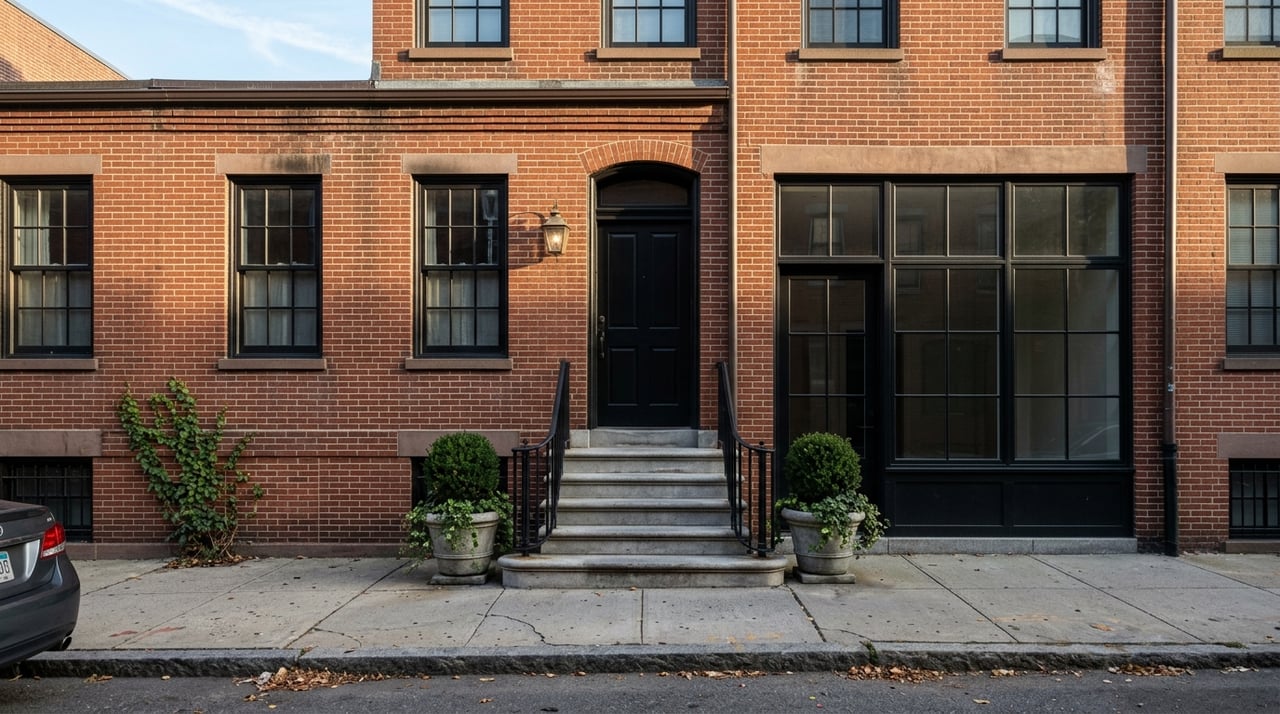
The City of Boston describes the Wharf District as a place with a residential population alongside large and small businesses. Nearby Downtown housing ranges from historic apartment buildings to modern glass towers, which helps explain why building experience can differ so sharply in this area.
For you, that means it is important to look beyond the address. Two homes that seem close together on a map may offer very different layouts, amenities, rules, noise levels, and overall feel.
Condo and Rental Details Matter
In a neighborhood like this, building-by-building details shape your lifestyle. If you are buying or renting, it helps to pay attention to things like:
- Entry and security setup
- Elevator access
- Shared amenities
- Condo rules or lease terms
- Storage and package handling
- Noise exposure from nearby activity
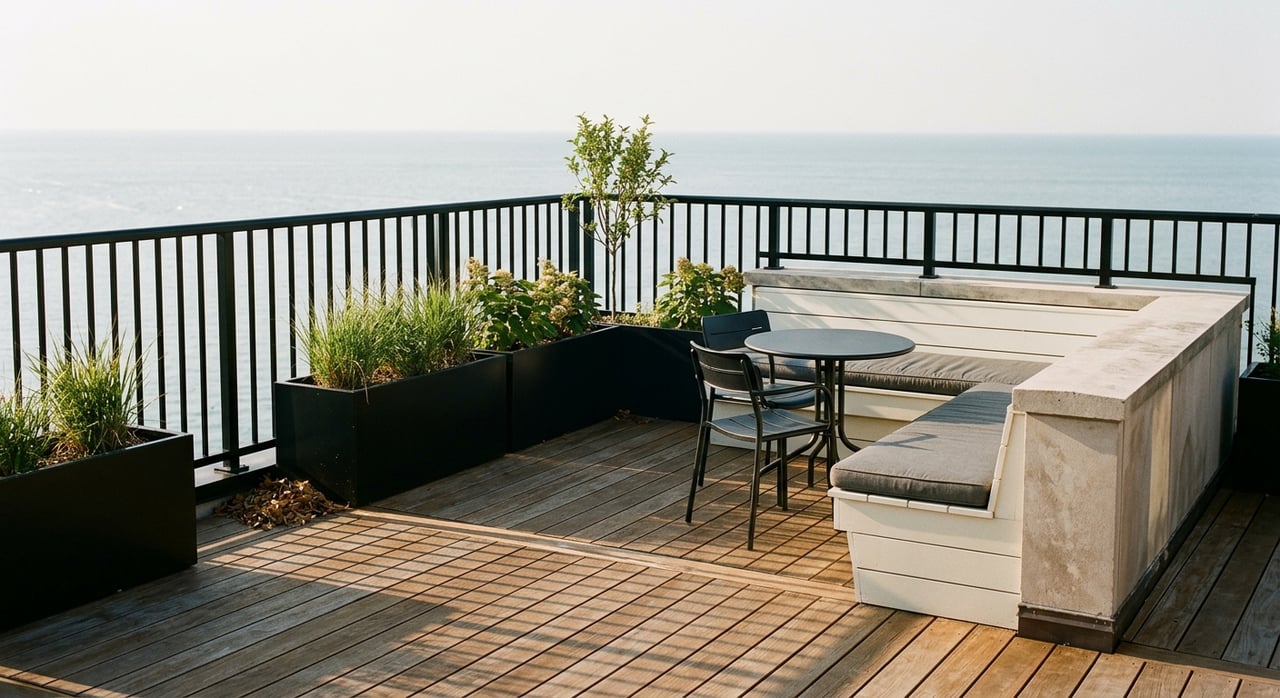
- Access to outdoor space
- Flood-related building features
These details can affect your day-to-day comfort just as much as the view or square footage. In the Waterfront, small differences between buildings can have a big impact.
Seasonal Rhythm on the Waterfront
Boston’s Waterfront tends to feel more seasonal than some inland neighborhoods. Warmer months bring heavier foot traffic, more outdoor activity, and stronger use of ferries, parks, and open spaces.
MBTA guidance notes that summer water taxis stop at more than a dozen locations in Boston Harbor, including Logan Airport, the Seaport District, and the North End. That seasonal transportation boost can make summer living here feel even more connected to the harbor.
Winter can feel quieter and more exposed to the elements, which some residents enjoy and others may find less appealing. If you love being outdoors year-round, that may be a plus. If you want a more tucked-in city block feel, it is worth comparing the Waterfront with nearby areas before deciding.
Flood Awareness Is Part of Waterfront Living
If you are considering a home on Boston’s Waterfront, flood awareness should be part of your planning. The City of Boston says it is working toward resilient, accessible open spaces and prepared buildings and infrastructure along the harbor.
Boston’s flood guidance also makes an important point: separate flood insurance is required for natural-hazard flooding, and being outside a mapped flood zone does not remove risk. The city says that from 2014 to 2024, almost one-third of NFIP flood insurance claims came from areas outside mapped high-risk flood zones.
That does not mean waterfront living is off-limits. It means you should ask practical questions and review the right documents so you understand the property and the building clearly.
Questions to Ask Before You Buy or Rent
If you are exploring the Waterfront, consider asking:
- Is the building in or near a mapped flood area?
- What resilience features has the building added?
- What insurance requirements apply to this home?
- Are there flood-related disclosures or documents to review?
- How does the building handle ground-level access and storage?
These questions can help you compare options with a clear head. They are especially important in a harbor-edge location where climate planning is part of the bigger picture.
Waterfront vs Nearby Boston Neighborhoods
The Waterfront offers a distinct version of city living. Compared with nearby areas like the North End or Downtown, it tends to emphasize views, promenades, ferries, and destination activity.
The North End is known for narrow streets, cafes, and a more traditional neighborhood pattern. Downtown combines housing with office activity, attractions, and a busy central-business-district feel.
If you are choosing between these areas, think about what you want most from your daily routine. If water views, open-air walks, and transit variety are high on your list, the Waterfront may feel like the right fit.
Who Usually Loves Waterfront Living
Waterfront living often works well for people who want an urban home with easy access to open space and transit. It can be a strong match if you like the idea of walking along the harbor, reaching nearby neighborhoods easily, and living in a building-oriented environment rather than on a classic residential side street.
It may also appeal to buyers and renters who want a car-light lifestyle. With nearby subway access, ferry options, and walkable links to Downtown and the North End, the area supports a flexible daily routine.
At the same time, it helps to be comfortable with the trade-offs. This is a mixed-use, active part of the city, and the feel can change from one block to the next.
If you want help comparing Waterfront buildings, condo options, or nearby neighborhoods like the North End, working with a local team can make the search a lot more straightforward. Stacy Schuster and the team at True North Boston Realty bring practical, neighborhood-level guidance to Boston buyers, renters, and sellers who want clear answers and confident next steps.
FAQs
What is everyday life like on Boston’s Waterfront?
- Everyday life on Boston’s Waterfront usually includes harbor views, public open space, walkable access to nearby districts, and a mix of residential, commercial, and visitor activity.
Is Boston’s Waterfront a walkable neighborhood for daily errands?
- Yes. The Waterfront is highly walkable, and many residents also use nearby subway stations, the Harborwalk, and ferry terminals to get around without relying heavily on a car.
Are there parks and public outdoor spaces on Boston’s Waterfront?
- Yes. The Harborwalk, Rose Kennedy Greenway, Christopher Columbus Waterfront Park, and nearby North End waterfront parks provide real public open space for walking, relaxing, and recreation.
Do Boston Waterfront residents actually use ferries?
- Some do, especially because ferry docks along Atlantic Avenue are close to one another and connect to stops such as Long Wharf, Seaport, and Logan Airport, though schedules can vary by season.
Is flood risk important when buying or renting on Boston’s Waterfront?
- Yes. The City of Boston says coastal flood risk is real, separate flood insurance may be required for natural-hazard flooding, and risk can exist even outside mapped high-risk flood zones.
How does Boston’s Waterfront compare with the North End?
- Boston’s Waterfront tends to focus more on views, promenades, ferries, and destination activity, while the North End is known for narrower streets, cafes, and a more traditional neighborhood pattern.
Do Waterfront buildings in Boston differ a lot from one another?
- Yes. Housing in and around the district ranges from historic apartment buildings to more modern towers, so amenities, rules, layout, and overall living experience can vary significantly by building.