A seller on Prince Street has an accepted offer, a P&S signed, and a buyer whose lender wants to fund in three weeks. Two things stand between the wire and the wall calendar. One is the appraisal. The other is a single-page condominium document that, in a four-unit building with no property manager, requires two volunteer trustees, a notary, and a recorded certificate of election that nobody has updated since 2014. Guess which one blows the timeline.
In the 2021 market a delayed 6(d) certificate was a paperwork inconvenience. Buyers waived diligence and extended for free. That cushion is gone. Boston condo inventory is up, days on market are longer, and lenders have re-tightened their condo document requirements. In the North End specifically, the average condo closed at roughly $838,000 year to date as of early June 2026, down from about $956,000 the year before, with 64 days to offer and 4.7 months of supply on the Gibson Sotheby's MLS PIN pull. Sellers still have leverage, but not much room to reprice a stalled deal.
The 6(d) certificate is where that friction shows up first. And in the North End, more than anywhere else in downtown Boston, the friction is structural.
What the statute actually asks the association to do
Section 6(d) of Chapter 183A of the Massachusetts General Laws requires the condominium organization to issue a recordable statement of unpaid common expenses, assessments, and any sums entitled to priority over the first mortgage. Once recorded at the Registry of Deeds, that statement discharges the unit from any lien for other sums then unpaid and is binding on the association. The association has ten business days to produce it after a written request.
Two operational facts sit on top of the statute. The certificate must be signed in the presence of a notary by the number of trustees the declaration of trust specifies. And a valid certificate of election of trustees has to be on file at the Suffolk Registry of Deeds so the signers can be traced back to a proper appointment. Boston lenders typically want the 6(d) dated close to closing. Managers commonly treat it as current for only 15 to 30 days, and some lenders ask for the certificate to be issued within 10 to 14 days of the closing date, or as of the closing date itself.
Why the North End building stock changes the math
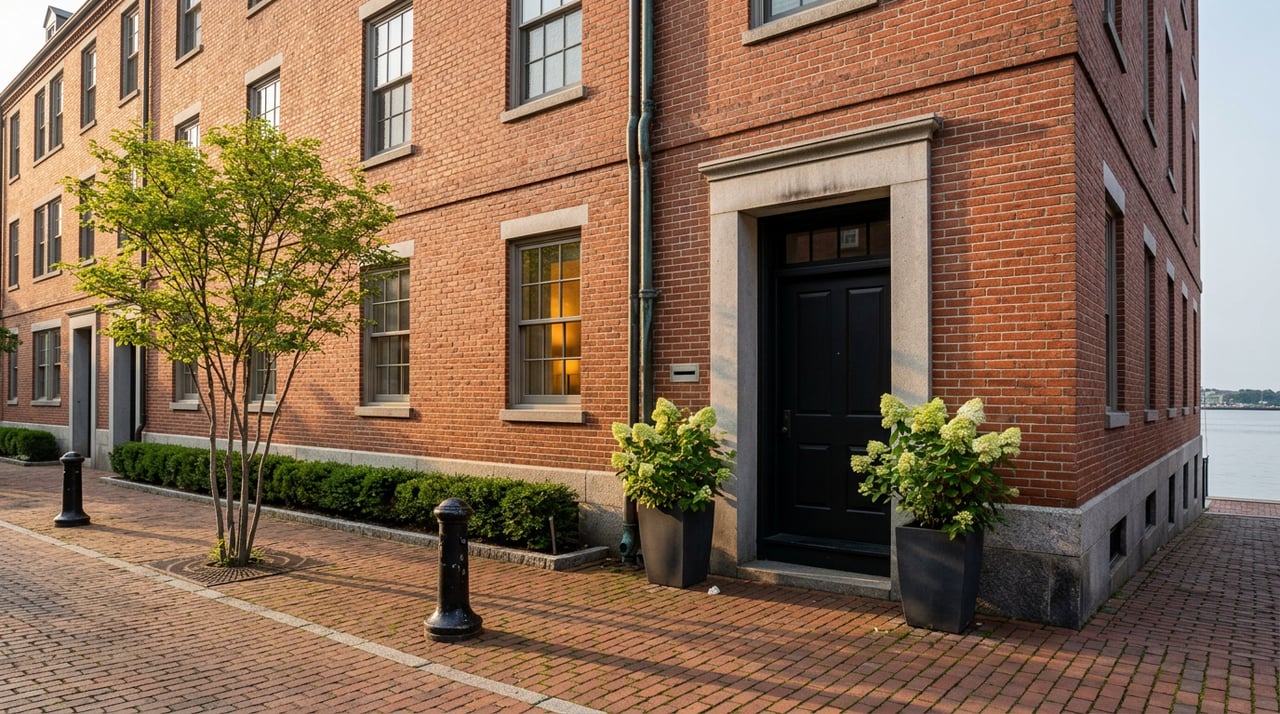
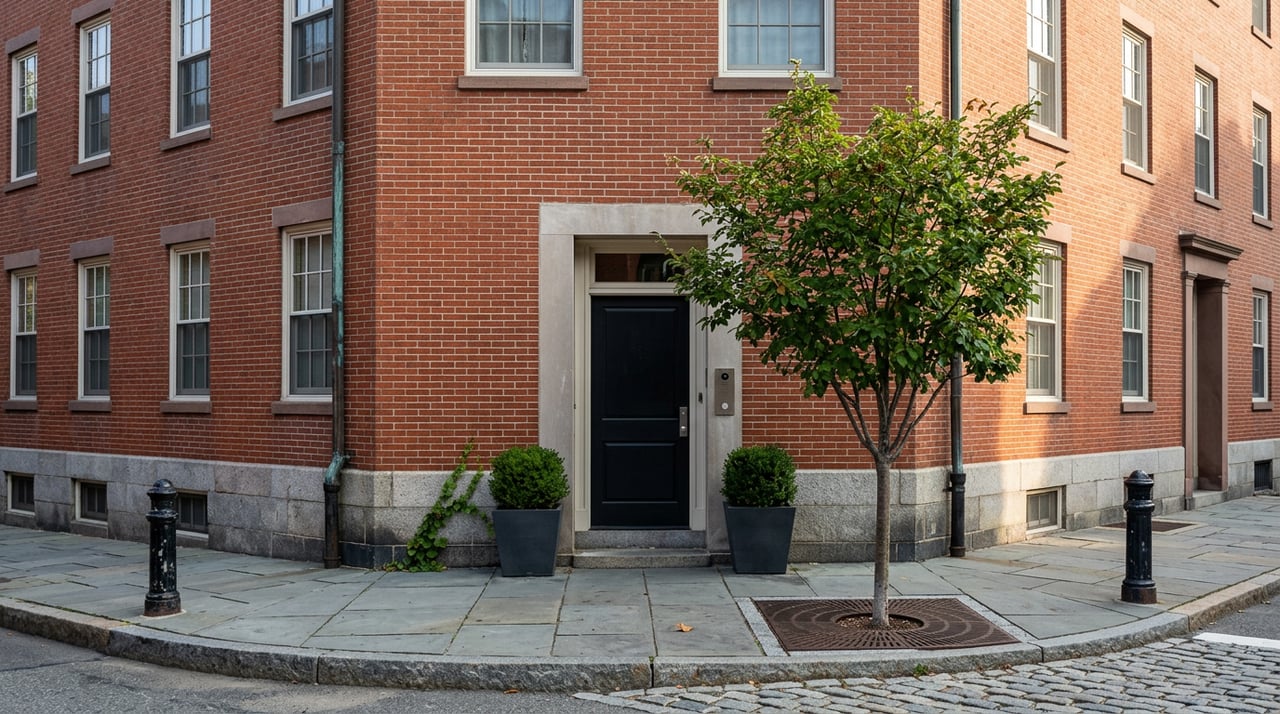
Most North End condos are units carved out of 18th- and 19th-century brick rowhouses that were never designed as single-family homes and were later converted. That produces a specific inventory profile: buildings of two, three, four, and six units, often self-managed by owner-trustees who take turns handling the boiler contract and the water bill. There is no third-party management company on speed dial. There is no digital ledger. There is often no annual meeting.
The Waterfront's high-rise inventory is the opposite. Buildings like Battery Wharf, Harbor Towers, and Rowes Wharf run through professional managers who can turn a 6(d) around in three to ten business days, sometimes 48 hours with a rush fee. In a self-managed North End four-unit, the same document can take one to three weeks because it requires two humans to agree on a time, sit in front of a notary, and pull the recorded trustee filings to confirm they still have authority to sign.
That gap is where closings slip.
The trustee-election trap
The most expensive version of this problem is the small building where trustees were never properly appointed after the master deed was recorded, or where an election happened years ago and nothing was recorded at the registry to reflect it. When the seller's attorney orders the 6(d), the bank's attorney asks to see the current certificate of election of trustees. If it does not exist, or the names on it do not match the people signing the 6(d), the deal pauses.
Massachusetts condominium counsel handle this by reviewing the declaration of trust to see whether the seller can self-appoint or self-elect into a vacant trustee seat, then recording a new certificate of election, then issuing the 6(d) in that capacity. It is not a document you print off the internet. It is a sequence of recorded instruments that the buyer's lender's attorney has to accept before funds move. In a self-managed building, allow two to four weeks. In a building where the co-trustee is unreachable or hostile, allow longer, and expect a demand letter from an attorney citing the ten-business-day statutory obligation.
Timing and fees at a glance
| Item | Professionally managed building | Self-managed North End rowhouse |
|---|---|---|
| Statutory issuance deadline | 10 business days | 10 business days |
| Realistic processing time | 3 to 10 business days | 1 to 3 weeks |
| Validity window lenders accept | 15 to 30 days from issuance | 15 to 30 days from issuance |
| Typical fee | $100 to $300 | $75 to $200, plus notary |
| Rush fee | Up to $500 | Not usually available |
| Certificate of election on file? | Almost always current | Frequently stale or missing |
The numbers on the right are the ones sellers underestimate. A certificate that takes eighteen days to produce, in a market where the lender wants it dated within fourteen days of closing, is a certificate that gets ordered twice.
What to line up before you list
The prep work that separates a smooth North End condo closing from a two-week extension is almost all pre-listing. Not pre-P&S. Pre-listing.
- Pull the recorded certificate of election of trustees from the Suffolk Registry of Deeds. Confirm the names on it match the humans who will actually sign the 6(d). If they do not, record a new one now.
- Read the declaration of trust and count the trustee signatures required on a 6(d). Some North End trusts require two, some three, some all sitting trustees.
- Reconcile any open supplemental assessment. If it runs with the unit and continues after sale, the balance and duration have to appear on the 6(d) or the buyer's lender may treat it as an undisclosed lien.
- Identify a notary and a backup notary. In a small building this is a bottleneck people forget until the week of closing.
- Budget $75 to $500 for issuance plus a possible rush fee. Confirm in the P&S which party pays.
- Order the certificate the day the P&S is signed. Not the week of closing. If the closing pushes, order a second one.
- If the building has no functioning board or an uncooperative co-trustee, retain condominium counsel before you sign a listing agreement, not after you have accepted an offer.
Reading it against the 2026 numbers
The reason this checklist matters more in 2026 than in 2021 is not the statute. The statute has not changed. The market around it has.
With Freddie Mac's 30-year fixed at 6.47% in mid-June 2026 and Boston condo buyers taking longer to underwrite, purchase and sale contracts are being written with tighter contingency windows and shorter mortgage commitment dates. A buyer who could have granted a two-week extension without renegotiating in 2021 is now much more likely to ask for a price concession, an inspection credit, or a rate-lock reimbursement in exchange. On a North End condo trading at 97.2% of list, roughly a point below last year's 98.0%, a single closing-date slip can cost the seller more than the professional management fees they never paid for.
The 6(d) is the cheapest place in the transaction to buy back that risk. It just has to be done early.
FAQ
Does the ten-business-day rule mean the association can wait ten days on purpose? It caps the delay, it does not create one. If a small building slow-walks the request, the seller's attorney can send a demand letter citing the statute and, if necessary, seek a preliminary injunction ordering issuance. In practice, the letter is usually enough.
Is a 6(d) the same as the condo questionnaire the lender asks for? No. The 6(d) is a statutory statement about the unit's account and lien status. The lender's condo questionnaire is a separate form covering insurance, owner-occupancy ratios, and litigation. Both are often required. Order them together.
We are a two-unit building with no elected trustees. What now? Do not draft anything yourself. Review the declaration of trust with a Massachusetts condominium attorney to confirm the self-appointment or self-election procedure, record the resulting certificate at the Suffolk Registry of Deeds, then issue the 6(d) in that capacity. Attempting it without counsel is the fastest way to have the buyer's lender reject the document.
Who pays for the certificate in a North End sale? Usually the seller, occasionally split, but always spelled out in the purchase and sale agreement. Confirm at signing so the fee does not surface as a last-minute closing-cost dispute.
If you own a unit in a small self-managed North End building and are thinking about listing this fall, the trustee paperwork is worth reviewing before the sign goes in the window. True North Boston Realty works block by block in the North End and can help you sequence the 6(d), the condo questionnaire, and the listing timeline so the closing date you write on the P&S is the one you actually close on.