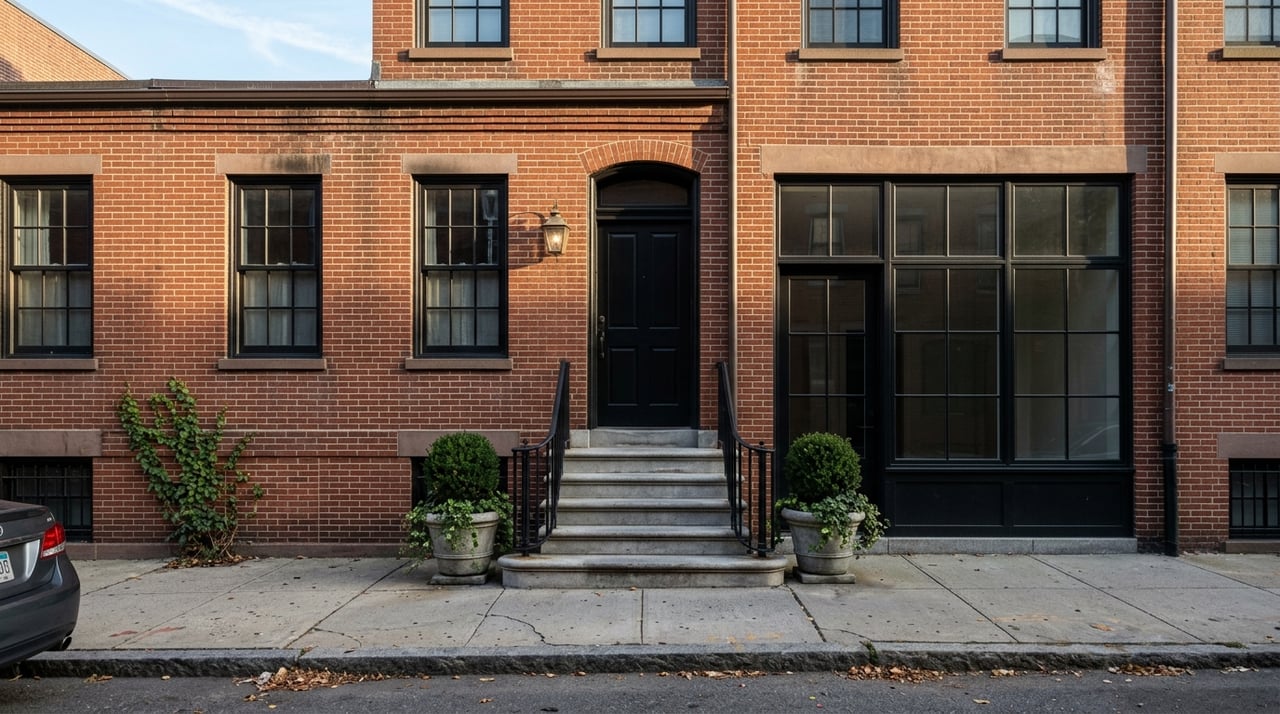
Wondering what it really takes to buy a condo in Boston’s North End? You are not alone. This neighborhood has a one-of-a-kind mix of history, walkability, compact homes, and premium pricing, which means buying here often comes down to understanding the building as much as the unit itself. This guide will help you make sense of prices, condo documents, older-building issues, and offer strategy so you can move forward with more confidence. Let’s dive in.
Why North End condos stand out
Boston describes the North End as a narrow, vibrant neighborhood with some of the oldest streets and buildings in Boston proper. It is dense, primarily residential, and shaped by a strong local street life, with Hanover Street serving as the commercial heart.
For many buyers, the appeal is simple: you get an urban lifestyle with strong walkability and close access to the waterfront. Boston transportation data shows walking is the dominant local mode, and neighborhood planning materials note that Harborwalk gives the area waterfront access, even though open green space is limited.
That setting also affects the housing stock. The North End is heavily apartment- and condo-based, so your search is likely to focus on building type, monthly costs, and layout efficiency rather than large square footage or private outdoor space.
What condo prices look like
The North End is a premium condo market by Boston standards. Zillow places the neighborhood’s typical home value at $901,241 as of April 30, 2026, with a median list price of $1.24M. For comparison, Zillow’s citywide Boston value is lower at $793,154.
Redfin reports a 3-month median sale price of $1,135,078, average days on market of 52, and a 97.3% sale-to-list ratio. It describes the area as somewhat competitive, which is useful context if you are preparing to make an offer.
A practical price range for current condo inventory looks something like this:
- Studios and one-bedroom condos: about $549,000 to $700,000
- Many one- and two-bedroom condos: about $700,000 to $1.3M
- Larger or newer waterfront homes: about $1.3M to $2.0M+
- Luxury or penthouse units: above $2.0M
As always, price depends heavily on the specific building, condition, size, and location within the neighborhood. In the North End, two homes with similar bedroom counts can feel very different once you factor in stairs, storage, natural light, HOA health, and whether the building has retail below.
What types of condo buildings to expect
North End condo inventory is not one-size-fits-all. Buyers should expect a mix of smaller converted buildings, mixed-use properties with commercial space on the ground floor, and larger waterfront or amenity-rich complexes.
Many available homes are compact studios or one-bedroom units under 900 square feet. At the same time, there are also larger two- and three-bedroom homes above 1,300 square feet, especially in select waterfront and newer properties.
This matters because building style affects your day-to-day experience. A boutique walk-up may offer character and lower unit count, while a larger complex may offer more predictable systems or additional amenities. Neither is automatically better. The right fit depends on your budget, priorities, and comfort with building-specific tradeoffs.
Why older buildings need extra attention
The North End’s historic housing stock is part of its appeal, but older buildings call for careful due diligence. If a home was built before 1978, Massachusetts lead law applies. Sellers and agents must provide lead-transfer notification before a purchase and sale agreement is signed.
If a child under 6 will live in the home, the owner must bring the property into compliance within 90 days of taking title. That makes lead compliance an important planning point for some buyers, especially in older and unrenovated buildings.
Historic status can also affect future renovation plans. Boston planning materials have described the North End and Bulfinch Triangle as National Register districts, and Boston’s Landmarks Commission reviews changes to individually landmarked buildings. If you are already thinking about replacing windows, changing exterior elements, or doing roof work, confirm whether the building has any preservation status before you buy.
Flood risk and waterfront due diligence
If you are considering a waterfront or ground-level condo, flood exposure should be part of your review. Boston’s climate planning for the North End focuses on coastal flooding, and Redfin flags the neighborhood as having extreme flood risk over the next 30 years.
That does not mean every unit carries the same exposure. It does mean you should ask smart questions early. Review the building’s insurance setup, understand what the association’s master policy covers, and ask whether additional owner coverage may be needed based on the unit’s location and the building’s risk profile.
Why HOA review matters so much
In the North End, condo document review is not a box to check. It is one of the most important parts of the buying process. Massachusetts condominiums are governed by Chapter 183A, and the core documents usually include the master deed, unit deed, and declaration of trust or bylaws.
Together, these documents explain how the condo operates. They define common elements, percentage interests, repair obligations, insurance, meetings and voting, common expenses, reserve funds, and assessments. Some condo documents may also include a right of first refusal, which can affect timing.
Before making an offer, review these key items:
- Condo budget
- Reserve fund
- Master insurance
- Meeting minutes
- House rules
- Pet policies
- Rental policies
- Any recent or pending special assessments
This is especially important in older buildings, where upkeep can vary widely from one association to another. A low monthly condo fee may look attractive at first, but it may not be a bargain if reserves are thin or major work has been deferred.
How to judge monthly carrying costs
When you buy a condo, your monthly cost is more than principal and interest. You also need to understand taxes, condo fees, and insurance needs that may fall outside the association’s master policy.
Massachusetts guidance notes that unit owners need coverage for what the association’s master policy does not cover. It also explains that associations may assess owners for additional costs tied to a covered loss. In practical terms, that means you should look beyond the advertised condo fee and ask what financial obligations could reasonably come next.
Special assessments deserve close attention. Massachusetts defines them as amounts needed above the current budget and reserves. If an association has aging systems, limited reserves, or a record of delayed maintenance, your true monthly ownership cost may be less predictable than the listing suggests.
Making a competitive offer in the North End
Because the North End is somewhat competitive, preparation matters. Redfin notes that some homes receive multiple offers, so it helps to arrive with a strong pre-approval, organized paperwork, and realistic timing.
In Massachusetts, the purchase and sale agreement is a binding contract. State consumer guidance recommends allowing enough time for a professional home inspection, and Mass.gov notes that hiring your own attorney may be in your best interest during the homebuying process.
In a competitive situation, many buyers try to make their offer stronger with terms that are clean and practical rather than risky. That can include a short but meaningful inspection window, prompt attorney review, and flexible closing dates. The goal is to stay competitive without giving up protections that matter.
Questions to ask before you buy
A condo in the North End can be a great fit, but the right purchase usually comes down to clear answers. Before you move forward, make sure you understand the building as well as the unit.
Ask questions like these:
- How strong is the reserve fund?
- Has the association discussed major repairs?
- Are there any pending special assessments?
- What does the master insurance policy cover?
- Are there pet or rental restrictions?
- Is there any right of first refusal in the condo documents?
- Does the building have any historic or preservation status?
- For waterfront or lower-level units, what flood-related risks should you review?
These questions can help you compare condos more accurately. In this neighborhood, the best value is not always the lowest price or fee. It is often the home where the building, budget, and future maintenance picture are all easier to understand.
Buying with local North End insight
In a neighborhood like the North End, small details matter. One block can feel different from the next, and two similar-looking buildings can have very different finances, rules, and long-term upkeep.
That is why local perspective can make the process feel much more manageable. When you understand pricing, building type, and condo governance at the same time, you are in a much better position to choose a home that fits both your lifestyle and your comfort level.
If you are thinking about buying a condo in the North End, working with a team that knows the neighborhood building by building can help you ask better questions and move forward with confidence. Reach out to Stacy Schuster for practical, local guidance on your North End condo search.
FAQs
What is the typical price range for condos in Boston’s North End?
- Current inventory suggests studios and one-bedrooms often start around $549,000 to $700,000, many one- and two-bedroom condos fall around $700,000 to $1.3M, and larger waterfront or luxury homes can rise well above $2.0M.
What condo documents should you review before buying in the North End?
- You should review the master deed, unit deed, declaration of trust or bylaws, condo budget, reserve fund, master insurance, meeting minutes, rules, pet policies, rental policies, and any recent or pending special assessments.
What should you know about older condo buildings in Boston’s North End?
- Older buildings may involve lead paint notification requirements for pre-1978 homes, uneven maintenance histories, and possible historic or preservation considerations that can affect future exterior work or renovations.
How competitive is the North End condo market in Boston?
- Redfin describes the North End as somewhat competitive, with a 97.3% sale-to-list ratio and some homes receiving multiple offers, so strong preparation and realistic terms can matter.
Why do HOA reserves matter when buying a North End condo?
- Reserve funds help cover building repairs and long-term upkeep, and thin reserves can increase the risk of future special assessments or less predictable ownership costs.
What should you ask about flood risk for a North End condo?
- For waterfront or ground-level units, you should ask about coastal flooding exposure, the building’s insurance coverage, and whether additional owner coverage may be needed based on the unit and location.