If you are thinking about buying a rental property in Boston’s North End, the appeal is easy to see. This is a tight, historic neighborhood with strong renter demand, premium rents, and housing that often fits a small-landlord strategy. If you want a clearer picture of what makes a North End investment work, and where the real risks and costs show up, this guide will walk you through the basics. Let’s dive in.
Why North End rentals stand out
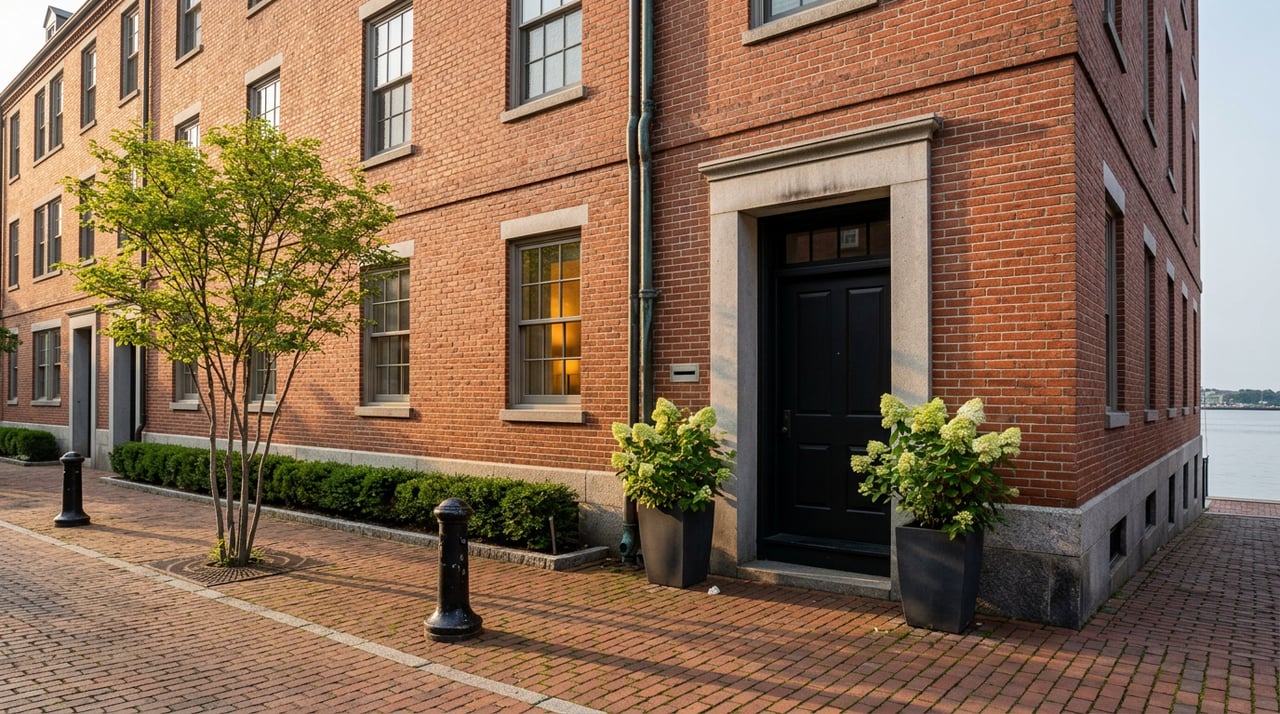
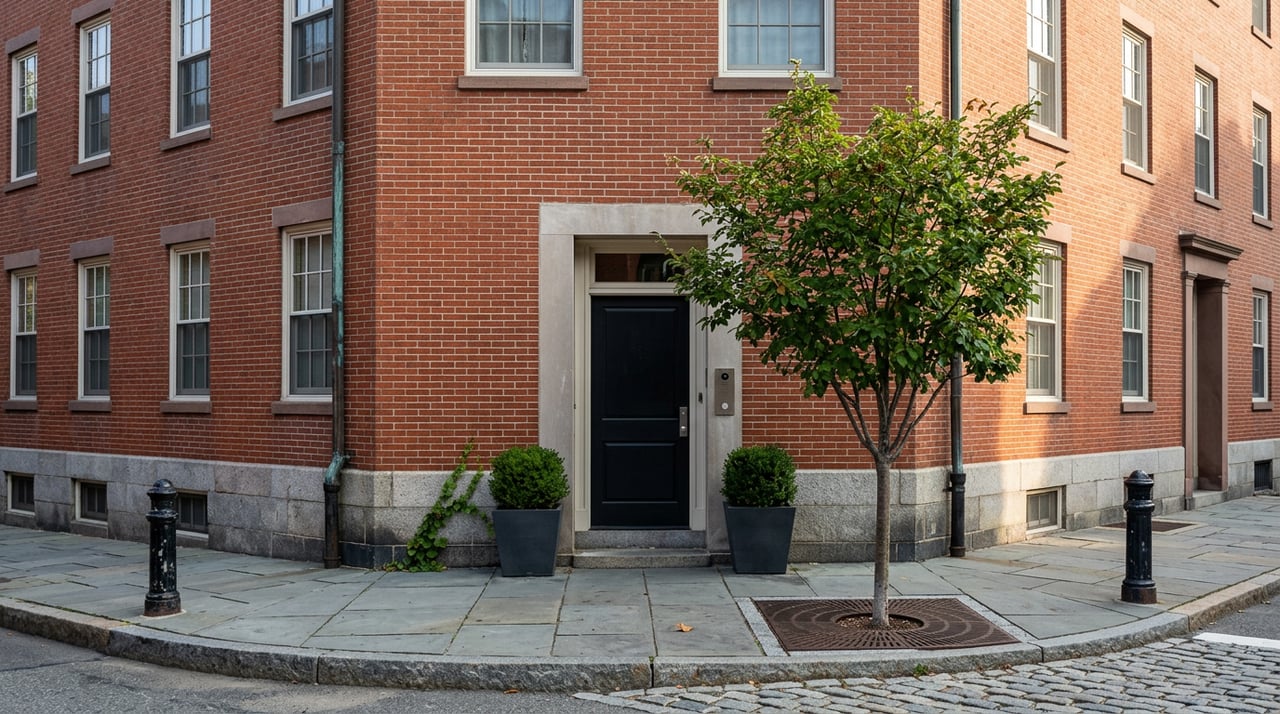
The North End is Boston’s oldest residential community and remains a mostly residential, historic neighborhood with narrow streets, brick buildings, and close ties to downtown and the waterfront. Boston planning data also describes it as one of the city’s most visited neighborhoods, which reinforces how active and visible the area is.
For landlords, one of the most important numbers is renter share. Official 2025 neighborhood data shows 74.3% renter occupancy, along with 10,635 residents, 6,286 households, and 6,885 housing units. That points to a very dense rental market in a relatively small footprint.
The local renter base also has a distinct profile. The same data shows that 56% of residents are ages 18 to 34, 80.4% of residents age 25 and older hold a bachelor’s degree or higher, and median household income is $114,005. In practical terms, that suggests strong demand from young professionals, couples, roommates, and other small households.
What rent levels tell you
The North End supports higher long-term rents than Boston overall. In 2024, the median asking rent for a market-rate two-bedroom apartment was $3,500 in the North End, compared with $3,200 citywide.
That does not mean every unit will hit the same number. Condition, layout, building systems, location within the neighborhood, and condo fees can all affect performance. Still, the neighborhood’s official rent profile supports the idea that North End rentals can command a premium when they are priced and positioned well.
Best-fit properties for small landlords
North End housing is heavily weighted toward smaller apartments. Official data shows that 49.9% of occupied units are studios or one-bedrooms, 37.2% are two-bedrooms, and only 12.9% are three-bedrooms or larger.
For a small landlord, that usually makes compact condos and smaller two-bedroom units the most natural fit for a buy-and-hold plan. The neighborhood simply has more of this kind of inventory, and that tends to line up with the local renter base.
Smaller units can also be easier to keep occupied in a neighborhood where many renters are looking for location, convenience, and efficient use of space. That said, every building is different, and North End floor plans can vary a lot from one property to the next.
Layout matters more than square footage
Because the housing stock is older and often historic, layout can matter just as much as size. Storage, natural light, stair access, and room flow may vary widely, even between units with similar square footage.
There is also a work-from-home factor to consider. Boston reports that 25.6% of North End resident workers work primarily from home, which helps explain why usable desk space and reliable internet setup can matter even in smaller apartments.
When you review a potential purchase, look beyond the bedroom count. A one-bedroom with a smart layout may rent more smoothly than a larger unit with awkward space or limited functionality.
North End design rules to know
If you are buying a condo or planning future exterior work, neighborhood design rules may affect your options. Boston’s North End Neighborhood Design Overlay District is intended to protect the area’s scale, pedestrian environment, mixed-use character, and concentration of historic buildings.
Design review can be triggered by visible changes such as roof shape, cornice line, street wall height, building height, massing, or door and window openings. For investors, that means exterior improvement plans may take more review than they would in other neighborhoods.
This does not make investment impossible. It just means you should confirm what is allowed before assuming you can change windows, adjust exterior doors, or take on visible building work as part of a value-add plan.
Diligence items before you buy
In the North End, careful due diligence matters. Older buildings can be charming and durable, but they can also come with deferred maintenance, shared-system issues, or repair needs that do not show up in a basic online listing.
A few items deserve close review:
- Building envelope condition
- Roof and masonry condition
- Shared plumbing, heating, and electrical systems
- Basement or lower-level moisture concerns
- Condo association rules, budgets, and reserves
- Permit history for past renovations
- Any likely need for exterior work subject to review
For condo purchases, association finances can be especially important. In a condo-heavy neighborhood, monthly fees and reserve planning can affect your real cash flow almost as much as the rent itself.
Flood risk should be part of underwriting
The North End’s harbor-edge location makes flood exposure part of the conversation. Boston’s climate resilience planning for Downtown and the North End identifies coastal flooding as a real risk and recommends building-level measures such as elevating mechanicals and installing backflow preventers.
For an investor, this matters most in buildings with basements, lower-level utilities, or waterfront-adjacent locations. You do not need to assume every property faces the same exposure, but you should include flood-related questions in your review of the building.
That may affect future maintenance planning, insurance considerations, and how you think about lower-level storage or mechanical systems. In a historic urban neighborhood, these details can have an outsized impact on long-term ownership costs.
Know the core carrying costs
Cash flow in the North End is about more than rent. Boston’s FY26 residential property tax rate is $12.40 per $1,000 of assessed value, and the city also applies a 1% Community Preservation Act surcharge on property tax bills.
If you will owner-occupy and qualify, Boston says the residential exemption can save up to $4,353.74 in FY26. If you are buying strictly as an investment, you should not count on that savings.
Many small landlords also underestimate condo fees. In North End buildings, association fees and reserve health can be a major part of the monthly expense picture, especially where shared systems or older structures require more ongoing maintenance.
Boston rental registration rules
If you plan to rent out the property, Boston requires annual rental property registration by July 1. The city also states that registered rental properties are inspected at least once every five years.
Boston lists the fee structure as $25 per unit for first-time registration and $15 per unit for renewal, with maximums of $2,500 per building or $5,000 per complex. If the owner lives outside Massachusetts, a Boston-area emergency contact is required.
These are not complicated rules, but they are important to build into your operating plan. For owners who do not want to manage details themselves, local leasing and property management support can make ownership much more straightforward.
Security deposits and lead compliance
Massachusetts rules around deposits are specific, and small landlords need to handle them carefully. The state allows landlords to collect first month’s rent, last month’s rent, a security deposit equal to one month’s rent, and lock-and-key money.
The security deposit must be held in a separate interest-bearing account in a Massachusetts bank, and interest may need to be returned to the tenant. That makes good bookkeeping essential from day one.
Lead-law compliance can also matter in older units. Massachusetts requires abatement or containment of lead hazards in rental units occupied by a child under age 6, and pre-1978 units with young children require the proper compliance documentation.
Long-term leasing usually makes more sense
Some buyers look at the North End and wonder whether short-term rental income could improve returns. In Boston, the rules are much narrower than many people expect.
The city states that short-term rentals under 28 days are allowed only in owner-occupied condos, single-family homes, and owner-occupied two- and three-family buildings, with separate registration and eligibility requirements. For two- and three-family buildings, the owner-occupant must own all units.
For most small investors, that means underwriting should focus on long-term rental income, not Airbnb-style projections. In the North End, the more realistic strategy is often stable, well-managed long-term leasing in a small-unit format.
A practical North End investment approach
The North End is best understood as a premium, small-unit rental market with a strong renter base and a lot of building-specific nuance. It can be a strong fit for condo-style buy-and-hold investing, but success usually comes from careful expense planning, realistic rent assumptions, and close attention to building condition.
This is not a market where broad averages tell the whole story. Street, building, layout, flood exposure, condo finances, and compliance details can all change the investment picture quickly.
If you want to buy or manage a North End investment property with more confidence, working with a local team that understands sales, rentals, and ongoing management can help you avoid costly assumptions. For tailored guidance on North End condos, rental units, leasing, or property management, reach out to Stacy Schuster.
FAQs
What makes North End investment property different from other Boston neighborhoods?
- The North End is a small, dense, historic neighborhood with high renter occupancy, premium rents for small units, older building stock, and design-review considerations that can affect property decisions.
What unit types are most common in the North End rental market?
- Official neighborhood data shows that studios and one-bedrooms make up 49.9% of occupied units, while two-bedrooms make up 37.2%, so smaller units are the most common format.
What should a North End landlord review before buying a condo rental?
- You should review condo fees, reserve funding, building systems, exterior condition, permit history, flood-related concerns, and any rules that may affect future visible exterior work.
What Boston rules apply to North End rental property registration?
- Boston requires rental properties to be registered every year by July 1, and registered properties are inspected at least once every five years.
Can a small investor use a North End property as a short-term rental?
- In many cases, no, because Boston limits short-term rentals under 28 days to specific owner-occupied property types with separate registration and eligibility rules.
Why do long-term rentals often make more sense in the North End?
- Long-term leasing usually fits the neighborhood’s renter-heavy market, small-unit housing mix, and Boston’s stricter short-term rental rules more realistically than short-stay income assumptions.